



Monarch Butterfly
Superstar
The small wineries and craft breweries should be first choice for store-brand labels.
|
|
|

 www.thestar.com
Yet other jurisdictions are doing fine. So did Ontario supermarkets in the 1950's and 1960's with glass bottles for milk and soft drinks.Some independent grocers may not take empties as of January 1, citing concerns over ‘dirty’ beer bottles
The warning from independent store owners echoes complaints from some of the province’s largest grocery chains, which have said they may stop selling wine and beer rather than set up deposit return programs for empties.

Yet other jurisdictions are doing fine. So did Ontario supermarkets in the 1950's and 1960's with glass bottles for milk and soft drinks.
The same as the blue bins today on recycling day.Here is the thing, times have changed.
Back in the 50s and 60s it was common to reuse bottles and people took care of things. Now, some of these bottles are used as ash trays, toilets and all manner of things. They also leak everywhere and leave sticky residue.
Keep in mind too that alcohol spills tend to smell and attract insects.
One of my Condo Properties contained a now closed beer store. There were sticky, foul smelling stains and residue outside their main entrance from where people were sorting bottles.
I would not feel comfortable shopping somewhere that has dirty, smelly beer and liquor bottles piled next to meat, produce and dairy products. That is a health hazard waiting to happen.
The same as the blue bins today on recycling day.
Or the supermarket's version of a green bin.Yes but I don't have a bunch of blue bins sitting next to fresh vegetables and other groceries.
Or the supermarket's version of a green bin.
So could the returnable bottle and cans then. Inside a fenced area, to keep the raccoons away.Those are kept outside away from the saleable merchandise for sanitary reasons.
Clean, crisp, and classic, the Sketches riesling offers flavours of ripe peaches, apples, and apricots, alongside a faint, shower curtain-adjacent aroma.
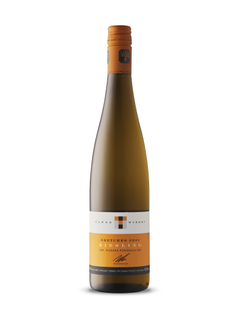
You have to love the LCBO wine descriptions.

……”shower curtain adjacent aroma”…..Time to consult my LCBO app and locate some product!! Tawse must love this.I was reading along, and until I got to that last clause....thinking..."What does Johny5 have against peaches, apples and apricots?".............then....oh.
They might be referring to 1,1,6-Trimethyl-1,2-dihydronaphthalene which is often present in Rieslings (especially Ontario ones, IMO, which is why I avoid them!).
Dihydrogen Monoxide (DHMO) is a colorless and odorless chemical compound,also referred to by some as Dihydrogen Oxide, Hydrogen Hydroxide,Hydronium Hydroxide, or simply Hydric acid. Its basis is the highly reactive hydroxyl radical, a species shown to mutate DNA, denature proteins, disrupt cell membranes, and chemically alter critical neurotransmitters. The atomic components of DHMO are found in a number of caustic, explosiveand poisonous compounds such as Sulfuric Acid, Nitroglycerine and EthylAlcohol.
