
News   Feb 06, 2026
 16K     4 
News   Feb 06, 2026
 871     0 
News   Feb 06, 2026
 2.1K     3 

Tax and Sprawl

You didn't - the thesis of the article is lower/nonexistent property taxes lead to higher density by default.

The removal of which would be replaced by user fees covering the actual cost of receiving the services. This would remove the the ability to in effect pay different amounts for essentially the same services.

In addition, care to tell me what built form did most of that growth in the 905 reside in? Again, proof that lower property tax leads to high density and lower carbon footprints, no doubt


Need I remind you again, the point of this discussion is property tax, density AND by extension, lower carbon footprint, not locational decision of businesses and by extension, increased density of the local area. You haven't shown me any evidence of such linkage. Proximity to employment? If that is so, please explain why there is so much long distance commuting by those living in the suburbs - both to the core city and within the suburban belt? In addition, locational decisions for businesses within these low(er) business property tax municipalities are still overwhelming near the edge - NOT denser core areas (e.g. MCC). Again, proof of lower business property tax leading to high density.

AoD

The issue is not low taxes, it is fair taxes. So long as property tax is based on assessment values instead of services received it can, and will, be a factor (not sole) in location decisions. Furthermore when these distortions are magnified across regions the effects become more acute.
 
The removal of which would be replaced by user fees covering the actual cost of receiving the services. This would remove the the ability to in effect pay different amounts for essentially the same services.

What does it have to do with the thesis that low(er) or nonexistent property taxes equate to increased density? Where is the evidence? I am not interested in what you're replacing property tax with and whether it is fair or not - I am interested how the link between property tax, density and lower carbon footprint is to be demonstrated.

The issue is not low taxes, it is fair taxes. So long as property tax is based on assessment values instead of services received it can, and will, be a factor (not sole) in location decisions. Furthermore when these distortions are magnified across regions the effects become more acute.

No, the issue in this thread is how property tax results in density and low carbon footprints, not regional distortion effects. Again, you're equating your own pet interest to the question at hand.


AoD
 
I am interested how the link between property tax, density and lower carbon footprint is to be demonstrated.


Did you not follow the reasoning in the original article......

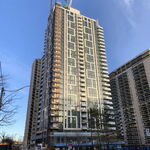
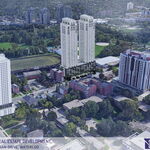
Instead of welcoming the inherent efficiency with which valuable downtown properties are used, cities punish them by taxing them on the basis of their high property values, rather than the actual costs of providing properties with municipal services. The tax on valued property encourages the use of low-value property further and further away, not just away from downtown but also in suburbs and beyond. Even land remote from transportation corridors, by all rights undeserving of development, then gets a spur in low taxes that encourage development where none would otherwise occur.

What exactly do you disagree with here?
 

Back
Top